When Was CPR Invented?
Modern CPR took shape in 1960, but the story starts much earlier. The major milestones explain how today’s CPR developed and why hands-on training still matters when you choose a class.

Modern CPR took shape in 1960, but the story starts much earlier. The major milestones explain how today’s CPR developed and why hands-on training still matters when you choose a class.
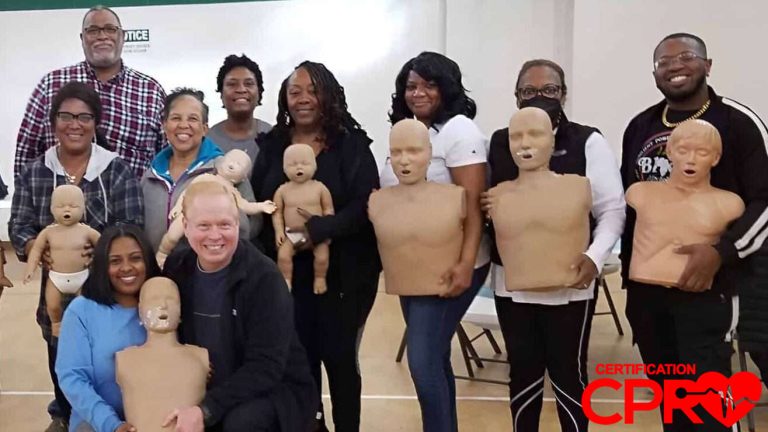
Everyone should learn CPR because cardiac arrest almost never starts around a full medical team. The skill matters at home, at work, and in public, where the first helper is often whoever is already there.
Heart attack and cardiac arrest involve the heart, but they are not the same emergency. The practical difference changes what you do, especially when CPR and AED use become urgent.
Bystander CPR statistics matter because they show what happens before EMS arrives. The numbers reveal the survival gap, the underuse of CPR and public AEDs, and why ordinary bystanders matter so much.
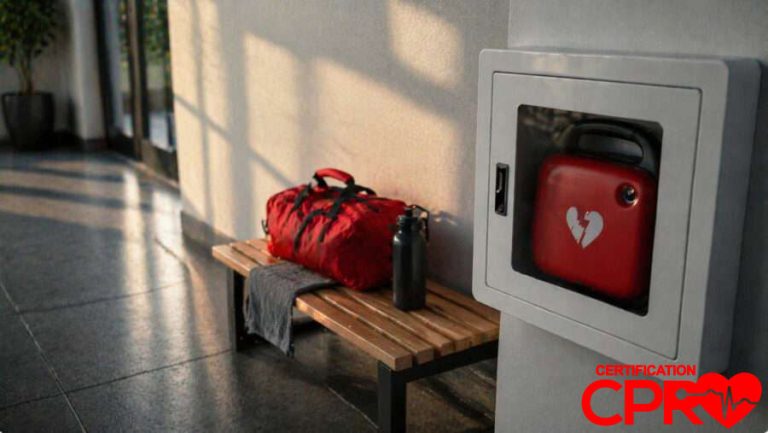
Sudden Cardiac Arrest Awareness Month connects awareness to the first actions that change survival: recognizing cardiac arrest, starting CPR, finding the AED, and keeping the response moving until EMS arrives.
American Heart Month should be more than a calendar reminder. February is a useful moment to connect heart-health awareness with CPR, AED readiness, and the response that happens before EMS arrives.
Head injuries do not always declare themselves right away. The safest response is to know which symptoms to watch, which warning signs need faster medical attention, and when the situation becomes an emergency.
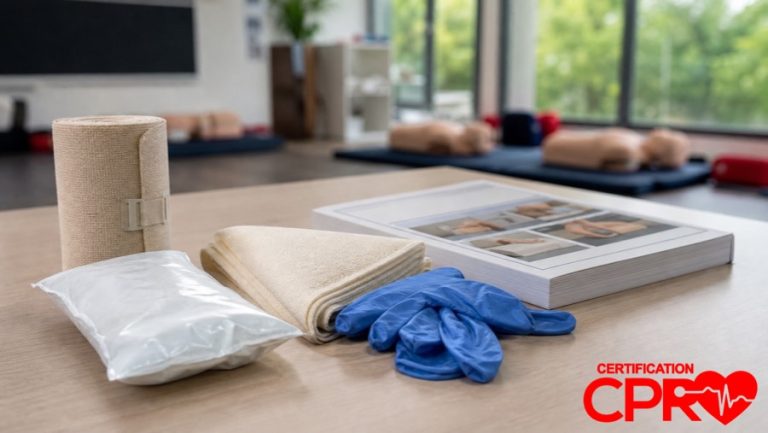
A sprain and a fracture can look almost identical at first. The first few minutes are about protecting the injury, watching for serious warning signs, and knowing when medical care should happen quickly.
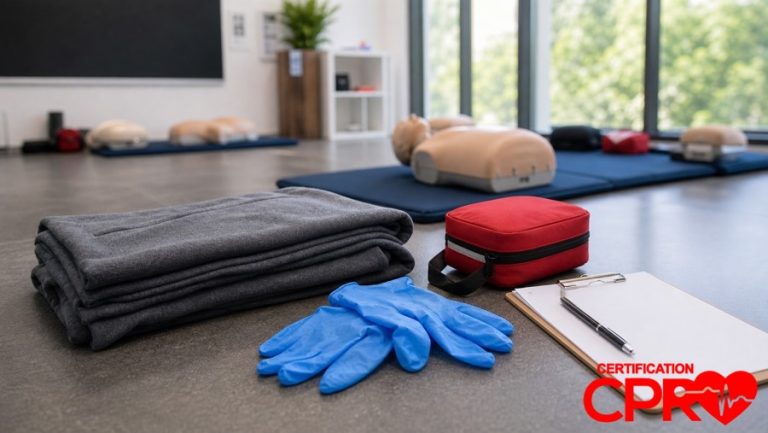
Seizure first aid is mostly about staying calm and protecting the person. The key is knowing what to do during the seizure, when to roll the person onto their side, and when to call 911.
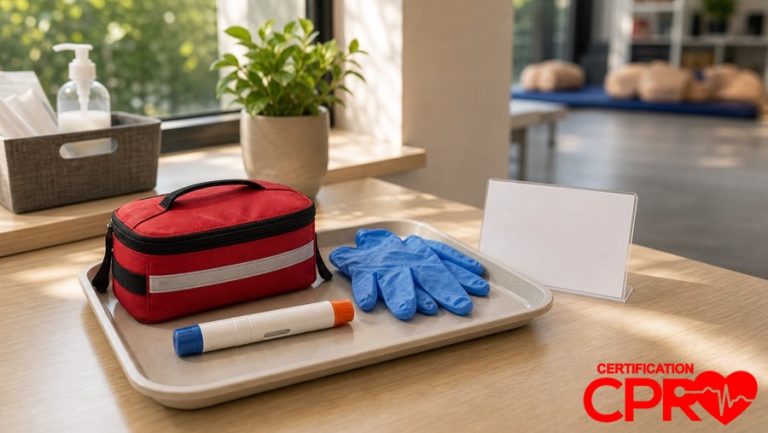
Anaphylaxis needs a direct emergency response, not watch-and-wait thinking. Call 911, use epinephrine when available and appropriate, and keep watching the person closely while the situation changes.
No products in the cart.